In the previous course, you saw how a Next-Generation Firewall (NGFW) inspects traffic and blocks threats at the network edge.
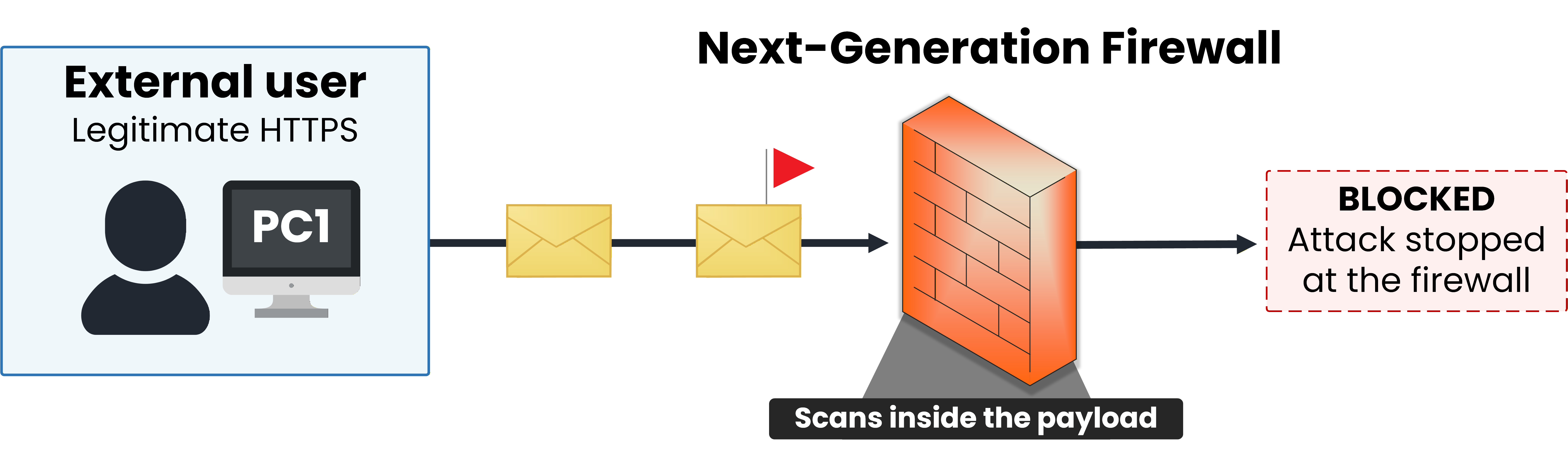
Figure 1 – A NGFW inspects and blocks known threats at the network edge
A firewall alone is not enough.
Modern attacks unfold over time, so your security needs to cover more than a single inspection point.
This coordinated approach is called threat defense.Every major vendor has its own implementation.
The one you need to know here is Cisco's.The Attack Continuum
Cisco describes threat defense using a framework called the attack continuum.
The idea is that every attack has three phases, and each phase needs different capabilities.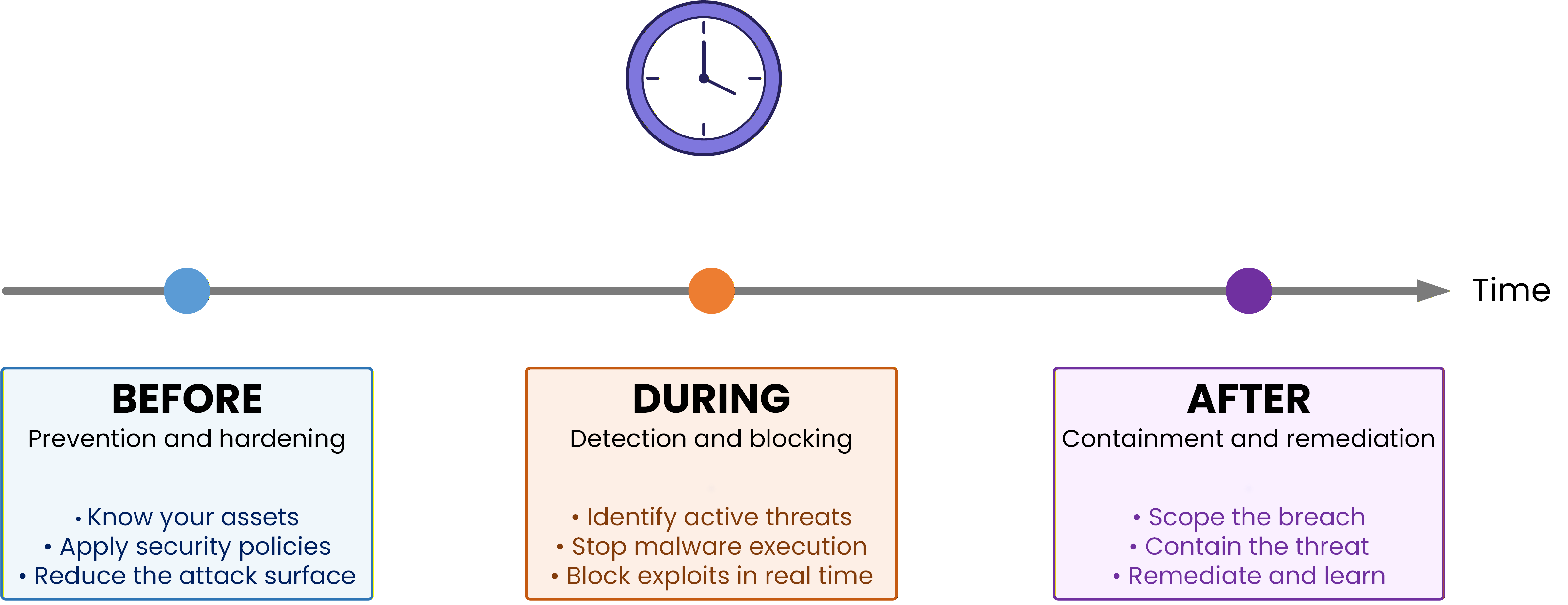
Figure 2 – The attack continuum covers Before, During, and After
Each phase has its own goals:
Before, you know your assets, apply security policies, and reduce the attack surface
During, you detect active threats, stop malware execution, and block exploits in real time
After, you scope the breach, contain the threat, and remediate what was compromised
No single product covers all three phases.
Threat defense is the set of tools that, together, fills every phase of the continuum.Answer the question below
Which phase of the attack continuum covers containment and remediation?
Why One Device Is Not Enough
A Next-Generation Firewall mostly operates in the During phase.
It inspects and blocks traffic in real time as it passes through your network.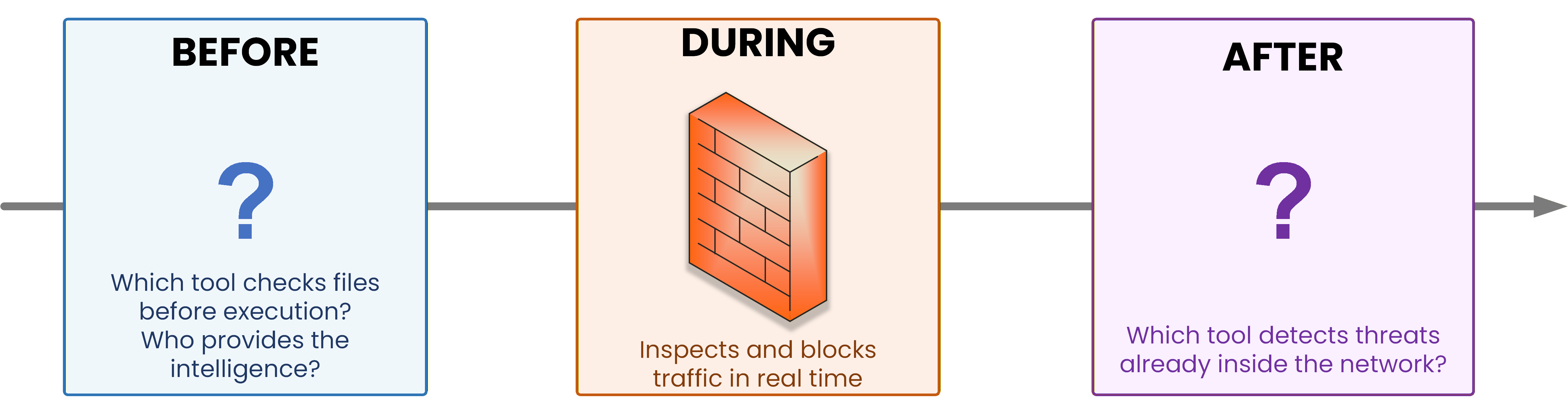
Figure 3 – A single firewall covers only the During phase
Two questions remain open on the sides of the continuum.
On the Before side: which tool checks files before execution, and who provides the intelligence?
On the After side: which tool detects threats already inside your network?In the Cisco portfolio, three products cover these gaps:
Cisco Talos for threat intelligence
Cisco AMP (Malware Defense) for file-level defense
Network Analytics (Stealthwatch) for post-breach detection
Answer the question below
Which phase of the attack continuum does a single NGFW mostly cover?
Before any tool can detect or block a threat, it needs to know what that threat looks like.
For Cisco products, that knowledge comes from Cisco Talos.What Cisco Talos Is
Talos is Cisco's threat intelligence team, a group of security researchers backed by a global data collection network.
40 % Complete: you’re making great progress
Ready to pass your CCNP exam?